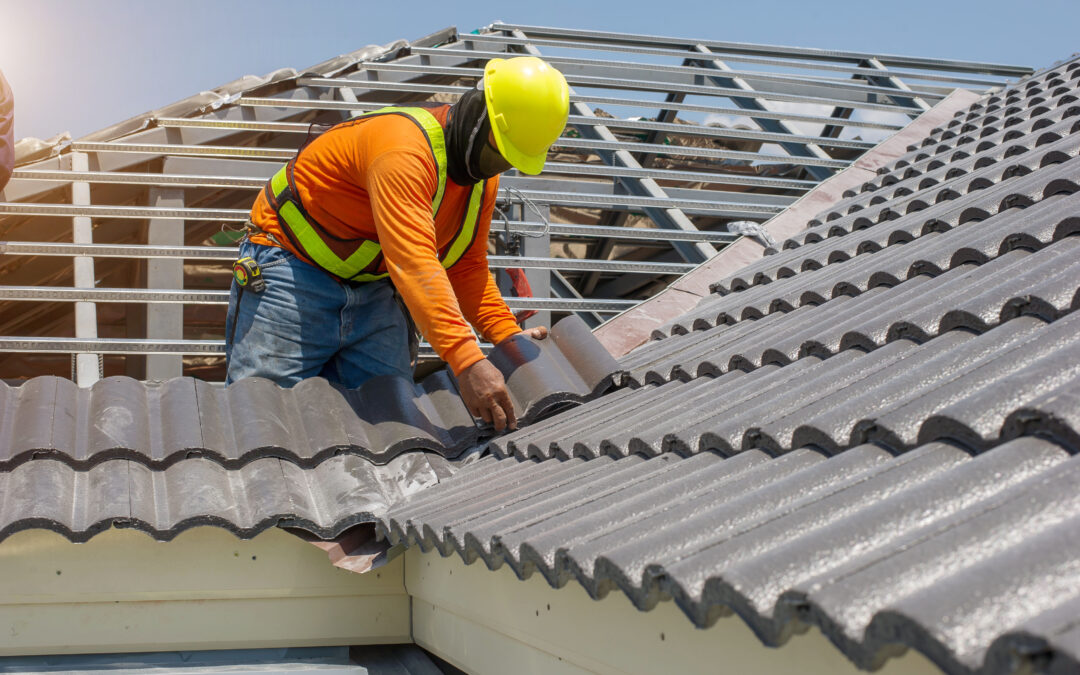
Your roof is the shield that protects your entire home from the elements. It endures scorching summers, harsh winters, and everything in between. But like any shield, even the strongest roof can eventually wear down, requiring replacement. When that time comes, navigating the process of finding a qualified roofing contractor for your residential roof replacement can feel overwhelming.
Worry not! This guide will equip you with the knowledge and confidence to make an informed decision.
Signs You Need a Residential Roof Replacement
The first step is recognizing the signs that your roof needs replacing. Here are some key indicators:
- Age: Most asphalt shingle roofs have a lifespan of 15-20 years. If your roof is nearing or exceeding this age, consider scheduling an inspection.
- Visible Damage: Cracked, curled, or missing shingles are clear signs of wear and tear. Missing flashing (thin metal strips that seal joints) around chimneys or vents also indicates potential leaks.
- Leaks: The most obvious sign – persistent leaks point to compromised roof integrity. Don’t wait to address leaks, as they can lead to structural damage within your home.
- Moss Growth: While not a direct indicator of needing replacement, excessive moss growth on your roof can trap moisture and accelerate shingle deterioration.
Finding the Right Roofing Contractor
Once you’ve determined a replacement is necessary, the search for a qualified contractor begins. Here are some crucial steps to take when looking for a contractor for residential roofing replacement:
- Get Recommendations: Talk to friends, family, and neighbors who have recently had roof replacements. Positive word-of-mouth recommendations are invaluable.
- Research Online Reviews: Look for contractors with strong ratings on platforms like Google My Business, HomeAdvisor, or the Better Business Bureau (BBB). Read the reviews to understand customers’ experiences with communication, quality of work, and professionalism.
- License and Insurance Verification: Ensure the contractor has a valid state license and carries both liability and worker’s compensation insurance. This protects you from financial responsibility in case of accidents or property damage during the project.
The Importance of Getting Multiple Estimates
Don’t settle for the first quote you receive. Get estimates from at least three different contractors. During the estimation process, ask detailed questions about:
- Experience: Inquire about their experience with similar roof replacements, particularly with the type of roof material you’re considering.
- Materials: Discuss the different roofing materials available, their pros and cons, and the contractor’s recommendation based on your needs and budget.
- Timeline and Workmanship: Understand the expected project timeline, including crew size and daily work hours. Get details about the contractor’s quality control procedures and warranty coverage on both materials and labor.
- Project Costs: Ensure a detailed breakdown of all costs is included in the estimate. This should include materials, labor, permits, debris removal, and any potential contingencies.
Don’t be afraid to negotiate, but prioritize quality over the lowest price.
The Day of the Roof Replacement
Once you’ve chosen a contractor, clear communication is key. Discuss access to your property, timeline expectations, and any questions you may have. On replacement day, the contractor will typically follow a well-defined process:
- Roof Removal: The old roof will be carefully removed, with proper disposal of shingles and other materials.
- Underlayment Inspection: The underlying deck will be inspected for any necessary repairs or replacements.
- New Roof Installation: The chosen roofing material will be installed according to manufacturer’s specifications.
- Flashing and Ventilation: New flashing will be installed around critical areas, and proper ventilation will be ensured.
- Clean-up: The contractor should thoroughly clean up the worksite, removing all debris from your property.
Peace of Mind with a New Roof
A well-executed residential roof replacement not only protects your home but also adds value to your property. By following these steps, you can choose a qualified roofing contractor who will ensure your new roof provides peace of mind for years to come.